
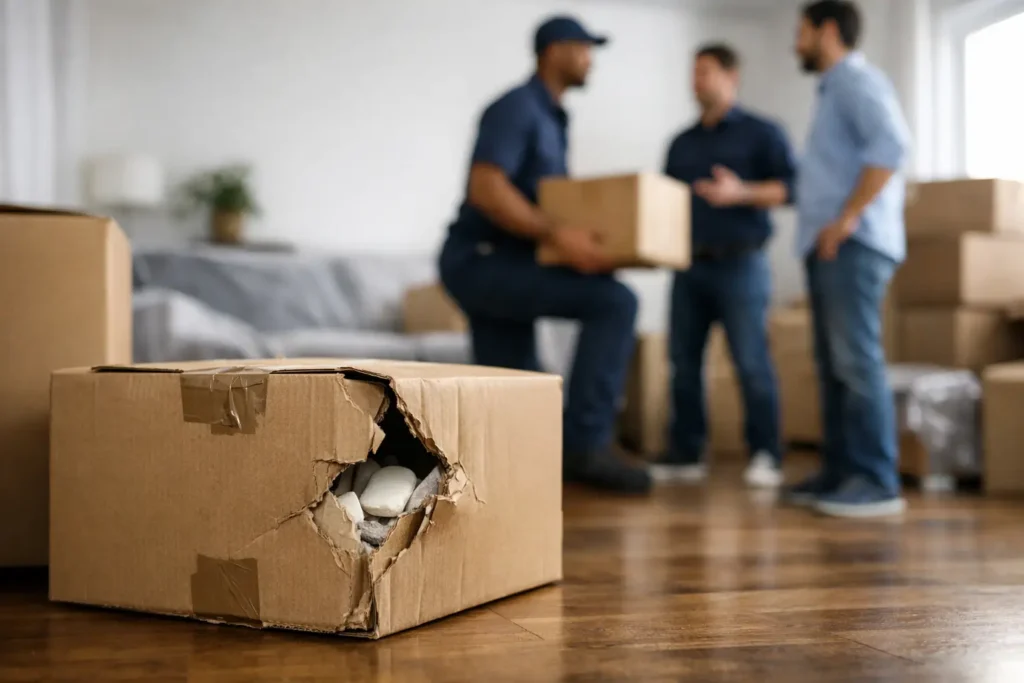
A scratched dining table, a cracked television screen or a missing box can turn an otherwise well-run move into a stressful conversation. That is why understanding moving liability before the truck arrives matters. It sets clear expectations about who is responsible for your belongings at each stage of the move and what you can do to reduce the chance of a problem in the first place.
For households and businesses, the goal is not to expect the worst. It is to choose a removalist that handles your possessions with care, communicates clearly and has a sensible process when something does not go to plan. No pressure, no vague promises – just a clear understanding before move day.
What does moving liability mean?
Moving liability refers to the legal and contractual responsibility a removalist may have for loss of, or damage to, goods while providing a moving service. The details can differ between providers, job types and the terms accepted before the move.
This is not always the same thing as insurance. A removalist may take responsibility for damage caused by its own handling or negligence, while insurance can provide a separate layer of protection for particular events and possessions. For example, the level of cover may be different for a lounge damaged while being carried than for a box packed by the customer with items that were not declared.
The most useful question is not simply, “Are my goods covered?” Ask what protection applies, what the conditions are, and what information the removalist needs from you before loading begins.
Why moving liability is not one simple answer
Every move has different risks. A straightforward apartment move with furniture already packed and easy lift access is very different from moving a family home with a steep driveway, a piano, fragile artwork and items going into storage.
Liability can also depend on where the item was damaged and how it was prepared. If a removalist packs and transports an item, there is a clear record of who handled it. If a customer packs a carton that contains loose glassware, puts no fragile marking on it and cannot identify what was inside, assessing a claim may be more difficult.
Access conditions matter too. Tight stairwells, wet paths, low carports, difficult parking and large furniture that will not fit through a doorway can all affect how a move is planned. A careful removalist will raise these issues early rather than forcing a difficult carry on the day.
The difference between removalist responsibility and insurance
Many people use the words “liability” and “insurance” as if they mean the same thing. They do not.
A removalist’s liability generally relates to its obligations under the service agreement and the law. It may apply where damage results from the removalist’s actions, such as poor handling, unsuitable loading or inadequate care. The exact scope, limits and exclusions should be explained in the terms provided with your booking.
Insurance is a policy that may cover certain loss or damage events subject to its wording, limits and exclusions. Depending on the arrangement, it may be offered as an option, arranged separately by the customer, or included only in a limited form. Accidental damage, water exposure, vehicle incidents and goods in storage can all be treated differently under a policy.
Neither option removes the need for careful preparation. The best outcome is still for every item to arrive safely, not to deal with paperwork after the fact.
Items that need extra attention
Some belongings deserve a conversation before the move, not a quick mention as the truck pulls up. These can include antiques, artwork, mirrors, large aquariums, high-value electronics, heirlooms, wine collections and delicate flat-pack furniture.
Specialty items such as pianos, spas and pool tables also need the right equipment, experienced handling and a realistic access plan. Their size and weight create risks for the item, the property and the people moving it. Letting your removalist know about these items early gives them time to organise the right crew and approach.
If an item is especially valuable or irreplaceable, consider whether it should travel with you. Important documents, jewellery, cash, prescription medication, passports and small family keepsakes are usually best kept in your own care.
How to protect your belongings before move day
A reliable move starts well before loading. Honest information gives your removalist the chance to prepare properly and helps prevent avoidable damage or disputes.
Begin with an accurate inventory of the items being moved. You do not need to list every spoon and book, but you should identify large, fragile, unusual and high-care items. Take clear photos of valuable furniture and electronics before the move, including any existing marks. This creates a useful record and makes it easier to spot damage that was already there.
Pack cartons firmly, without making them too heavy to lift safely. Use proper moving boxes where possible, fill empty spaces so contents do not shift, and label cartons on more than one side. A carton marked “fragile” should contain genuinely protected items, with wrapping around each piece rather than one layer of paper placed over the top.
Disassemble furniture only if you are confident doing so, and keep screws, bolts and brackets together in labelled bags. For appliances, empty and clean them beforehand. Fridges and freezers need time to defrost, while washing machines may require transit bolts. If you are unsure, ask for guidance before move day rather than taking a chance.
Questions to ask about moving liability
A professional removalist should be comfortable answering practical questions. You are trusting them with your home or workplace, so clarity is reasonable.
Ask what liability arrangements apply to the service, whether there are exclusions for owner-packed cartons or particular goods, and what happens if damage is noticed. Check whether optional transit or storage insurance is available and ask for the relevant policy details in writing if you decide to take it out.
It is also worth asking how the team records the condition of items, how access challenges are managed and who you should contact if you have a concern on the day. Clear answers are a good sign that the company has an organised process behind the friendly service.
Be wary of assumptions. “Fully insured” can sound reassuring, but it does not tell you what is covered, for how much, or under what circumstances. Read the booking terms and ask about anything you do not understand before confirming the job.
What to do if something is damaged
If you notice an issue during unloading, point it out calmly to the crew straight away. Take photos, keep any relevant packaging and make a note of the item, the damage and when it was noticed. Do not throw away damaged materials or attempt a repair before you have spoken with the removalist, unless doing so is necessary to prevent further damage.
Contact the company as soon as possible using the process in your booking documents. Provide clear information rather than relying on a quick phone description. Photos, a description of the item, its age or condition, and any pre-move records can help the matter be assessed fairly.
Most importantly, give the removalist a chance to respond. A local team that values its reputation will want to understand what happened and work through the next steps with you. Good service is not only careful loading and punctual delivery. It is also being accountable when a concern is raised.
A careful move is the best protection
Moving liability is there for the moments nobody wants, but it should never be the only plan. Clear communication, suitable packing, accurate information and experienced movers all work together to prevent damage before it happens.
For an Ipswich move, Springall Movers believes care starts with listening to the details of your home, access and belongings. When everyone understands the plan before the first carton is lifted, moving day feels simpler, safer and far less stressful.