
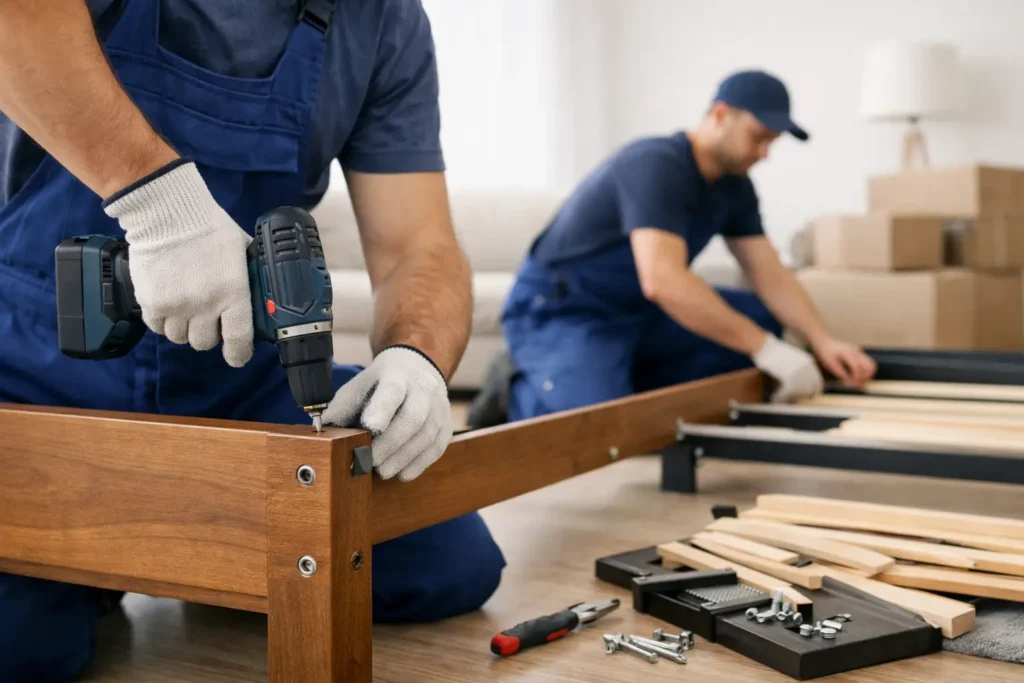
That oversized bed frame that barely made it through the door when you bought it is usually the first thing people worry about before moving day. It is a fair question: do removalists dismantle furniture, or are you expected to handle that part yourself before the truck arrives?
The short answer is yes, many removalists do dismantle furniture, but not every item, not every time, and not always as a standard part of the job. It depends on the size of the furniture, how safely it can be moved, what tools are needed, how much time is allowed, and what has been agreed before the move. Knowing where the line sits can save you a lot of stress on the day.
Do removalists dismantle furniture as part of the move?
In many household moves, removalists will dismantle common furniture where it makes practical sense. Beds, dining tables, modular lounges, desk legs and some shelving units are often easier and safer to move in pieces rather than as whole items. Taking them apart can reduce the risk of damage to the furniture, the walls, door frames and stair rails.
That said, disassembly is not automatic across every move. Some teams include basic furniture dismantling and reassembly when needed. Others expect customers to have certain items ready beforehand, especially if they are complex, fragile or require specialist tools. This is why it helps to ask the question early rather than assume it will be done on the spot.
A good removalist will usually tell you what they can handle, what needs extra planning and what should stay assembled if it can be moved safely as is.
Which furniture is usually dismantled?
The most common items are the ones that are bulky, awkward through tight spaces or more stable when packed flat. Bed frames are the obvious example. Large tables, some office desks, entertainment units and sectional sofas may also be dismantled if their size makes access difficult.
Flat-pack furniture is more of an it depends situation. If it is sturdy and designed to be taken apart and put back together, removalists may do it. If it has already been assembled and reassembled several times, there is a higher chance it could weaken during another dismantle. In that case, some removalists may recommend transporting it as carefully as possible without taking it apart.
Wardrobes, tallboys and bookcases are often moved assembled if they are structurally solid and can fit through the exits. Sometimes removing shelves, doors or drawers is enough rather than fully dismantling the whole piece.
When removalists may not dismantle furniture
There are a few situations where removalists may decide not to dismantle an item, and that is usually about safety or practicality rather than unwillingness.
If the furniture is fragile, damaged already, highly customised or difficult to reassemble correctly, removalists may ask you to arrange a cabinetmaker or furniture specialist instead. The same applies to antique pieces, wall-mounted items and anything with integrated electrical parts. A desk with cable channels is one thing. A custom workstation wired into the wall is another.
There can also be limits around liability. If an item has a known weakness, stripped screws, cracked joints or non-standard fittings, dismantling it may increase the risk of breakage. Good removalists will be upfront about that before touching it.
Why disassembly can be worth it
Furniture dismantling is not just about getting things out the front door. It can make the whole move smoother.
A dismantled bed frame or dining table usually takes up truck space more efficiently. That helps with stacking, securing loads and protecting delicate pieces around it. It can also reduce awkward lifting angles for the crew, which matters when there are stairs, narrow hallways or quick turns.
From the customer side, it often means fewer scuffs, less rushing and less chance of finding out halfway through the move that the couch does not fit down the stairwell. Planning disassembly in advance gives everyone a clearer run.
What to ask before moving day
If you are wondering whether do removalists dismantle furniture applies to your move, the best approach is to ask specific questions rather than a broad one.
Tell the removalist exactly what items you have. A king bed, eight-seat dining table and corner office desk give a much clearer picture than saying “a few large pieces”. If possible, mention any tight access points such as apartment lifts, narrow staircases, steep driveways or low door clearances.
It also helps to ask whether the team will reassemble furniture at the new place. Many customers remember to ask about taking furniture apart, but forget that putting it back together matters just as much. A move runs more smoothly when both ends of the job are clear.
You should also mention if any item needs Allen keys, spanners, drills or unusual fittings. Some removalists carry basic tools, but it is better not to rely on guesswork.
How to prepare furniture for disassembly
Even when removalists are handling the heavy work, a little preparation goes a long way.
Clear off all surfaces and empty drawers where needed. Loose items left inside furniture can shift during lifting and transport, or fall out once pieces are tilted. For beds and tables, remove lamps, decor and anything breakable nearby so the crew has room to work.
If you still have assembly instructions for flat-pack furniture, keep them handy. They can be surprisingly useful at the other end, especially for multi-part items with similar-looking fittings. Place screws, bolts and brackets in labelled snap-lock bags and tape them securely to the furniture if advised. That small step can save a lot of hunting around later.
It is also smart to take a quick photo of assembled items before they are dismantled. That gives a simple reference for reassembly and helps avoid confusion with more complicated pieces.
Do removalists dismantle furniture for offices too?
Yes, often they do, but office moves tend to need more planning than household ones. Desks, meeting tables, workstations, shelving and reception counters can usually be dismantled if required. The challenge is that office furniture often connects with cabling, screens, storage systems and room layouts that need to be recreated at the new site.
That means timing and labelling matter more. If you are moving a small business, it helps to identify what must be reassembled first so staff can get back to work quickly. There is a big difference between moving a freestanding desk and relocating an entire fit-out with partitions and IT equipment nearby.
For business moves, clear communication before the day is what keeps downtime under control.
What about specialty or oversized items?
Some furniture sits outside the usual dismantle-and-move category. Pool tables, piano stools attached to larger setups, custom-built cabinetry and oversized outdoor settings may need a different approach. These items can involve weight distribution, levelling or delicate finishes that make standard disassembly unsuitable.
This is where experience matters. A dependable removalist team will tell you when an item needs specialist handling rather than taking chances with it. That honesty protects both your belongings and your move schedule.
Signs you should mention disassembly in your quote request
If an item was difficult to build, difficult to carry into the home, or has to pass through a tight space, mention it early. The same goes for furniture in upstairs rooms, heavy office pieces, extra-long tables and anything that wobbles if lifted the wrong way.
Photos can help remove uncertainty. They let the removalist judge whether furniture should stay assembled, partly dismantled or fully taken apart before transport. It also helps them arrive prepared, which is often the difference between a calm moving day and a stop-start one.
For local families and businesses around Ipswich, that kind of planning is often what makes the move feel manageable rather than messy.
The best answer is always the clear one
So, do removalists dismantle furniture? Very often, yes. But the real answer is that good removalists do what is safest, most efficient and most sensible for the item, the property and the move as a whole.
If you are unsure, ask early, be specific and flag any awkward items in advance. A removalist team can only plan properly when they know what they are walking into. When that part is sorted before the truck arrives, the rest of the day usually feels a lot lighter.
One Response