
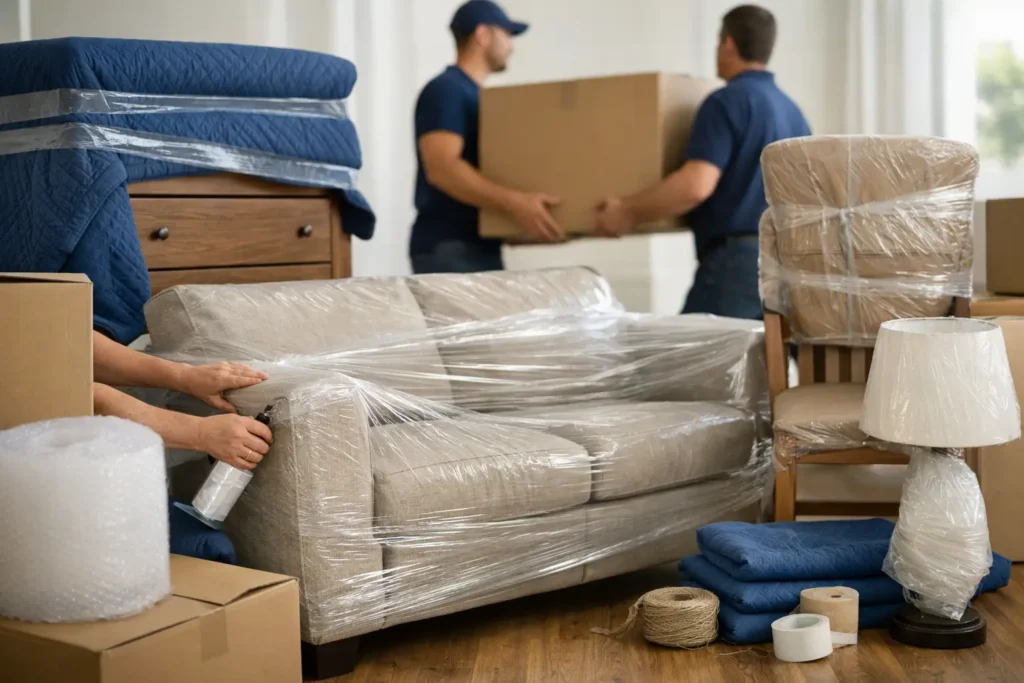
A scratched dining table or torn sofa can turn an otherwise successful move into a frustrating start in a new home. The best ways to protect furniture come down to preparation, the right materials and careful handling at every stage – from packing the first room to placing each piece in its new spot.
Furniture is often bulky, awkward and more delicate than it looks. Timber can dent, polished surfaces can scratch, and fabric can pick up dirt or moisture quickly. A few practical steps before moving day can make a major difference, especially when navigating stairs, tight hallways, lifts or wet Queensland weather.
1. Start with a clear furniture plan
Before you pack anything, walk through each room and decide what is moving, what needs special attention and what may be better sold, donated or recycled. Moving furniture you no longer need adds weight, takes up truck space and creates more opportunities for damage.
Measure larger pieces, doorways, stairwells and hallways at both properties. This is particularly useful for wardrobes, modular lounges, bed frames, display cabinets and large desks. Knowing a piece will fit before it is loaded saves rushed decisions on moving day.
Take a few photos of valuable or delicate furniture before packing. They provide a useful record of its condition and help you remember how parts fit together when reassembling items later.
2. Clean and dry every item first
Dust, grit and moisture are small problems that can cause big marks in transit. Wipe down timber, metal and hard surfaces with an appropriate cleaner, then allow everything to dry completely before wrapping it. Trapped moisture can affect timber finishes, encourage mould and leave marks on upholstery.
Vacuum sofas and chairs, including under removable cushions. Empty drawers and remove crumbs or loose items from cupboards. Not only does this protect the furniture, it makes pieces lighter and safer to carry.
If rain is forecast, plan for it. Keep furniture inside until loading begins where possible, and have covers ready before doors are opened. Wet furniture should never be wrapped tightly and left that way for an extended period.
3. Disassemble what you safely can
The best ways to protect furniture often involve making it smaller before it goes near the truck. Bed frames, tables with removable legs, shelving units and modular lounges are generally easier to move when dismantled. Smaller components are less likely to catch on door frames or be dropped when turning a corner.
Keep screws, bolts, brackets and assembly tools in labelled zip bags. Tape the bag securely to the underside of the relevant item or place all hardware in one clearly marked moving box. Avoid taping directly onto polished timber, veneer or painted finishes, as adhesive can leave residue or lift the surface.
Do not force disassembly if a piece is old, glued, fragile or unfamiliar. Some antique furniture and flat-pack items can be weakened by being taken apart repeatedly. In that case, protect it well and move it as a complete piece with enough people to handle the weight safely.
4. Use proper padding, not just household blankets
A blanket thrown over a cabinet offers limited protection. Furniture needs padding that stays in place and cushions it from knocks, rubbing and vibration. Moving blankets or padded removalist blankets are ideal for timber furniture, appliances, cabinets and tables. Secure them with moving straps, stretch wrap or tape applied to the blanket itself.
For especially vulnerable corners, use cardboard corner protectors or extra folded padding. Wrap glass shelves, mirrors and table tops separately in protective material, then label them clearly as fragile. Glass should travel upright, never flat under heavy items.
Plastic stretch wrap is helpful for keeping blankets in place and protecting fabric furniture from dust. It is not a substitute for padding, though. Wrapped tightly against leather or timber for long periods, particularly in heat or humidity, it can trap moisture. Use breathable covers for longer storage periods.
5. Protect upholstery from dirt, tears and moisture
Sofas, armchairs and mattresses can be difficult to replace and easy to spoil. Use clean furniture covers or purpose-made mattress bags to shield upholstery from dust, rain and dirty surfaces. Remove loose cushions where possible and pack them in clean bags or boxes rather than leaving them to shift during transport.
Avoid dragging lounges across floors, driveways or paths. Even a short drag can damage fabric underneath, snap a leg or pick up grime that is hard to remove. Lift with enough people, communicate before each turn, and use a trolley only where it is suitable for the item.
Leather needs particular care. Keep it out of direct sun while loading and unloading, avoid plastic wrap directly against the surface for extended periods, and make sure it is clean and dry before covering.
6. Empty drawers and secure moving parts
Drawers, doors and shelves can swing open or slide out when a piece is tilted. Empty drawers in filing cabinets, tallboys, bedside tables and desks unless the item is light and designed to be moved with contents inside. Heavy drawers can strain runners, alter the balance of the piece and increase the chance of injury.
Once empty, secure drawers and doors with stretch wrap around the whole unit, or use soft ties that will not mark the finish. Remove glass shelves and pack them separately. For cabinets with keys, label them and keep them in your essentials box rather than leaving them in the lock.
7. Load the truck in the right order
Even perfectly wrapped furniture can be damaged by poor loading. Heavy, solid pieces should sit against the truck walls and be secured first. Mattresses, lounges and padded items can create a protective buffer, while lighter boxes and fragile items should never be stacked where they can crush or rub against furniture.
Use straps to prevent movement during braking and cornering. There should be no open gaps where items can slide or topple. This matters even more on longer interstate trips, where vibration and road conditions put packing to the test over many hours.
Keep items that need to be assembled first accessible at the destination. A bed frame, mattress and essential bedroom furniture should not be buried behind garage boxes or outdoor equipment after a long day.
8. Prepare both properties before lifting begins
Furniture protection is not only about the furniture itself. Cover vulnerable flooring, clear hallways and remove trip hazards before carrying anything through. Roll up loose rugs, move pot plants, secure pets in a quiet room and make sure gates and doors can stay open safely.
If walls, door frames or stair rails are likely to be tight, use temporary padding around the most exposed areas. Good lighting also matters. A poorly lit garage, stairwell or driveway makes it harder to judge clearances and easier to misstep.
At the new property, nominate a place for each large item before unloading. This prevents furniture being shifted repeatedly from room to room, which is when many scuffs and accidental bumps happen.
9. Be realistic about heavy or high-care pieces
Some items need more than careful wrapping. Pianos, pool tables, large safes, spas, stone-top tables and oversized cabinets have unusual weight distribution or components that can be damaged if handled incorrectly. They may require specialised equipment, extra crew members and a planned route from start to finish.
Trying to move these pieces with a few friends can create a risk to the item, the property and the people lifting it. Professional help is a sensible choice when the furniture is particularly heavy, sentimental, valuable or difficult to manoeuvre. The same applies to office furniture, where desks, filing cabinets and electronics often need to be moved in an organised sequence to minimise downtime.
10. Store furniture with airflow and support
If there is a gap between moving out and moving in, storage conditions matter. Choose a clean, dry space and keep furniture raised off the floor on pallets or protective boards where practical. Do not stack heavy boxes on top of lounges, mattresses or delicate timber pieces.
Use breathable covers for long-term storage, particularly for timber and upholstered furniture. Leave small gaps between items for airflow, and avoid resting furniture directly against external walls where condensation can occur. Mattresses are best stored flat where possible. If they must stand on their side temporarily, avoid leaving them that way for months.
A careful move starts before the truck arrives
Protecting furniture is less about one magic wrap and more about a calm, organised process. Prepare early, use the right protection, allow enough time for difficult pieces and do not take unnecessary risks with items that need specialist handling.
For households and businesses around Ipswich, a careful removalist team can take much of that pressure off. Springall Movers focuses on the practical details that keep furniture protected from the first lift to final placement, so you can settle into the next chapter with fewer worries and fewer marks to repair.