
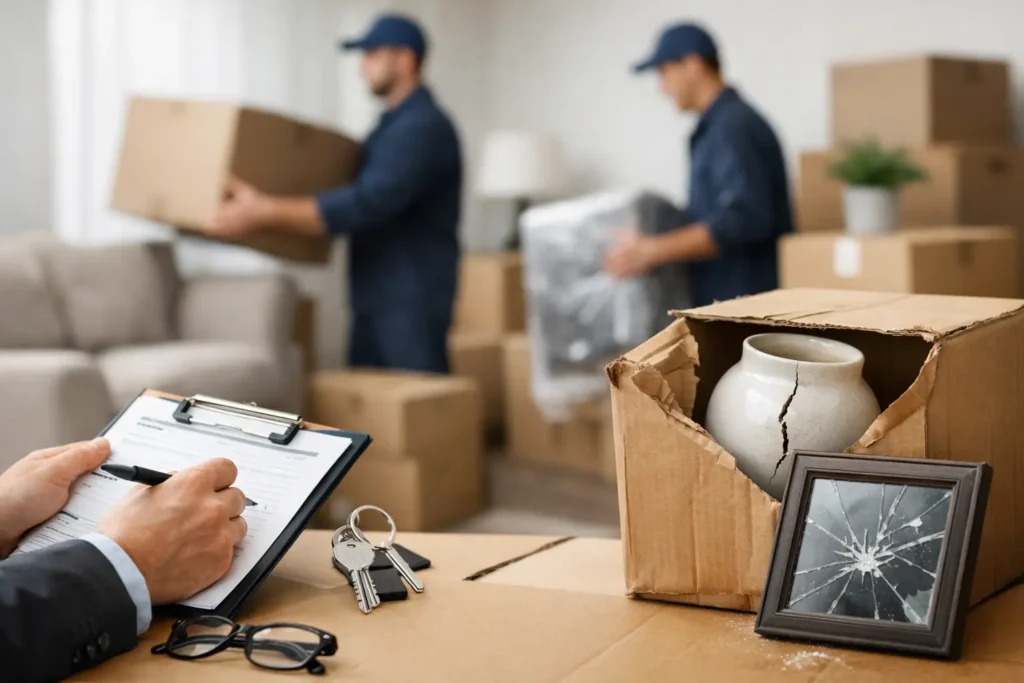
A scratched dining table or cracked television can turn a fresh start into a stressful phone call. So, are movers insured for damage? Often, a professional removalist will have insurance arrangements and clear processes for handling incidents, but the cover available is not always automatic, unlimited or the same from one move to the next.
The practical answer is to ask exactly what protection applies to your belongings, when it applies and what you need to do if something goes wrong. A trustworthy mover should be happy to explain this in plain language before moving day. No vague promises. No pressure.
Are movers insured for damage during a move?
Many removalists carry business insurance to protect their operations, vehicles and legal liabilities. That is a good sign, but it does not automatically mean every item in a customer’s home is covered for every type of damage.
Your protection may depend on the service booked, the cause of the damage, how an item was packed and whether a separate transit or goods-in-transit cover has been arranged. Some policies also set conditions for high-value items, fragile belongings and goods placed in storage.
This is why it helps to move beyond the simple question of whether a mover is insured. Ask what cover applies to your move. A local unit move with boxes packed by the customer can have different considerations from an interstate relocation with professional packing, storage and specialty lifting.
Insurance, liability and transit cover are not the same thing
These terms are often used as though they mean one thing. They do not.
A removalist’s public liability insurance generally responds where the business is legally liable for injury or property damage. It is an essential part of running a professional operation, but it may not cover accidental damage to every item being transported in every circumstance.
Transit insurance, sometimes called goods-in-transit cover, is designed specifically around belongings while they are being moved. Depending on the policy, it may protect against risks such as collision, fire, theft or accidental damage. The level of cover, excess and exclusions can vary, so it is worth reading the details rather than relying on a headline description.
Liability is different again. If a removalist is negligent and causes damage, they may be responsible for putting things right. But responsibility can depend on the facts: how the item was packed, its pre-existing condition, whether reasonable handling instructions were given and whether access conditions created an unavoidable risk.
For customers, the key takeaway is simple: business insurance, liability and cover for your goods are related, but they are not interchangeable. Get the arrangement confirmed in writing.
What damage may not be covered?
Even careful, experienced movers cannot control every risk. Most insurance arrangements have exclusions or limits, and these should be explained before the job begins.
Owner-packed cartons are a common example. If the mover cannot see how a box was packed, whether fragile items were wrapped properly or whether the carton was strong enough, cover for breakage inside may be limited. A box labelled “kitchen” can contain anything from tea towels to crystal, so careful packing matters.
Pre-existing damage can also be excluded. A wobbly flat-pack wardrobe, chipped mirror, loose chair leg or ageing appliance may already be vulnerable before it reaches the truck. Let the removal team know about any existing issues so they can take suitable care and record the condition where needed.
Some items need special attention because they are unusually fragile, valuable or difficult to move. This can include antiques, artwork, glass display cabinets, electronics, jewellery, important documents, cash, collectables and sentimental pieces that cannot truly be replaced. Pianos, pool tables and spas also need the right equipment, enough trained hands and a clear plan for access.
Storage can introduce separate conditions too. Ask whether the same protection applies while goods are loaded, in transit, unloaded and held in storage. Do not assume one arrangement covers the entire journey from old home to new home.
Questions to ask before you book
The right removalist will not make you feel awkward for asking about protection. It is part of planning a safe move.
Start by asking whether they have current public liability cover and what protection is available for goods while in transit. Then ask whether it is included in the service, optional, or something you need to arrange separately through your own insurer.
You should also clarify the claims process. Find out who you contact, how quickly an issue needs to be reported, what photos or documents may be required and whether an excess applies. It is much easier to act calmly if you know the process before boxes are stacked in every room.
For valuable belongings, ask whether you need to declare individual items or their replacement value in advance. Under-declaring, failing to mention an unusual item or assuming a standard policy has no limit can leave an unpleasant gap when you need help most.
Finally, ask what the removalists need from you to reduce the chance of damage. The answer may include reserving a loading space, advising of steep driveways or narrow stairs, disconnecting appliances and ensuring children and pets are safely away from busy carrying areas.
How to protect your belongings before moving day
Insurance is a safety net, not a substitute for good preparation. The best moves combine careful packing, clear communication and a team that treats your home respectfully.
Take photos of furniture, electronics and valuable items before the move, particularly if they already have marks or wear. This gives you a helpful record of condition and makes it easier to identify any concern promptly. Keep receipts, valuations or serial numbers for higher-value goods in a folder on your mobile or in a bag you carry yourself.
Pack fragile items in sturdy cartons with enough cushioning to stop movement. Avoid overloading boxes, especially with books, cookware or tools. Seal cartons securely and label them clearly on more than one side. “Fragile” is useful, but a note such as “glassware – keep upright” gives the crew better information.
Keep passports, medication, keys, laptops, legal papers, jewellery and irreplaceable personal items with you where possible. These belongings are often better suited to your own vehicle, not because removalists are careless, but because you retain immediate access and control.
If you would rather not take on the packing yourself, professional packing can reduce risk for delicate and awkward items. A trained team knows how to protect corners, wrap furniture, secure loads and use suitable materials. It also creates a clearer chain of handling from packing through to delivery.
What to do if something is damaged
First, pause and inspect the item while the details are fresh. Take clear photos showing the damage, the item and its surrounding condition. If possible, note the time and where it was found.
Tell the removalist promptly and keep the conversation factual. Most reputable teams want the chance to understand what happened and follow their claims procedure. Do not throw away damaged packaging or attempt a repair before checking what evidence may be needed, unless leaving it untouched would cause further damage or create a safety issue.
Keep copies of your inventory, photos, emails and any records relating to the item’s age, value or previous condition. If an insurer is involved, these details can help assess the claim fairly. Remember that some policies deal with repair, replacement or depreciated value differently, so ask how the assessment will be made rather than making assumptions.
Choosing a mover with accountability
A low-stress move is built on more than a truck and a few boxes. Look for a removalist that communicates clearly, checks access before the job, uses proper equipment and explains how your belongings will be handled. For difficult items, confirm that the team has experience with that particular job rather than hoping it can be managed on the day.
At Springall Movers, careful handling and straightforward communication are part of how we approach every relocation. Whether you are moving around Ipswich, relocating an office or sending belongings further afield, it is sensible to ask questions early and keep the answers with your moving paperwork.
The best time to understand damage cover is while you still have choices, not while standing in a new lounge room looking at a damaged carton. A few direct questions before the move can give you clearer expectations, better preparation and far more peace of mind when the truck pulls away.
3 Responses