
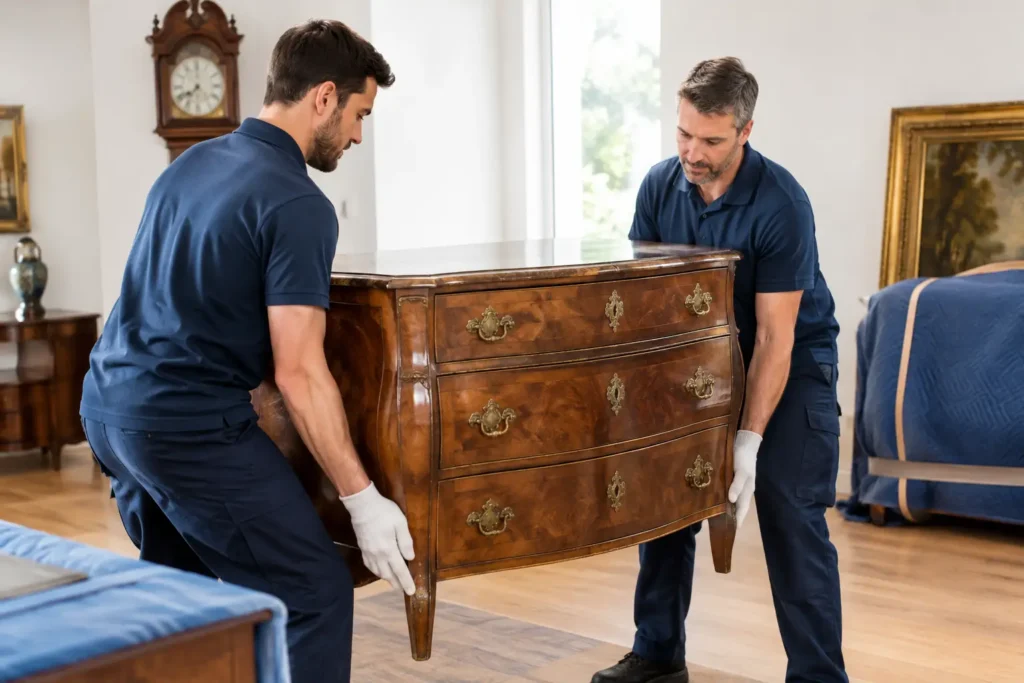
A cedar chest passed down through generations is not just another box to load onto a truck. Neither is a hand-carved sideboard, a delicate mirror or a collection of vintage artwork. Antique movers understand that these pieces carry history, sentimental value and, in many cases, a level of fragility that ordinary moving methods do not account for.
The right preparation protects more than the item itself. It gives you confidence that the move will be handled carefully from the first inspection through to placement in your new home. Whether you are moving within Ipswich, downsizing, placing belongings into storage or heading interstate, a little planning makes a real difference.
Why antiques need a different moving approach
Antique furniture was often made with materials and techniques that behave differently from modern flat-pack or mass-produced pieces. Timber can dry out and split, old veneers can lift, joints may have loosened over time, and original glass may be thinner than it looks. A piece that seems solid in the lounge room may not cope well with being lifted from one side or bumped over a step.
Age is not the only factor. Some newer pieces are valuable because of their design, craftsmanship or family connection. The practical question is not simply whether something is old. It is whether damage would be difficult, upsetting or impossible to put right.
That is why careful movers assess each item before lifting. They look at its size, weight, weak points, access at both properties and whether it needs partial dismantling. A large antique wardrobe, for example, may need doors removed and wrapped separately, while a marble-topped table requires different handling again.
What good antique movers should do
A careful move starts before moving day. When speaking with a removalist, explain which pieces need special attention and mention any existing damage, delicate finishes or access issues. Clear information helps the team bring the right protection, equipment and vehicle space.
Professional antique movers should take the time to inspect high-care items rather than treating every piece the same. That includes planning how it will leave the room, move through doorways and travel securely in the truck. Heavy items should be stabilised, padded and positioned so they cannot shift in transit.
For particularly fragile or awkward belongings, the process may involve extra wrapping, corner protection, furniture blankets, straps and purpose-built lifting equipment. The exact method depends on the item. Over-wrapping can sometimes trap moisture against certain finishes, while under-protecting leaves surfaces exposed to scratches and pressure marks. Careful handling is about choosing the right protection, not simply using more of it.
A dependable team will also communicate clearly on the day. You should know which items are being handled first, where they will be placed at the new property and who to speak to if you have a question. That small level of organisation helps prevent rushed decisions when the truck is being loaded.
Preparing antiques before moving day
There are several things you can do before the removal team arrives to reduce risk and save time. Start by taking clear photos of each important piece from several angles. Photograph existing marks, loose sections and delicate details. This creates a useful record of condition and helps you remember how items were arranged or assembled.
Remove loose contents from drawers, cabinets and display cases unless the item is specifically designed to travel with them in place. China, cutlery, ornaments and loose drawer contents add weight and can damage the furniture from inside. Wrap fragile contents separately and label the boxes clearly.
If an antique has a key, tape it to a labelled card or place it in a small marked bag that stays with you. Do not leave keys in locks during transport, where they can bend or scratch the surface. For mirrors, framed art and glass-fronted cabinets, point out any cracked glass or loose panels before the move begins.
It is also worth measuring. Measure the piece, doorways, hallways, stairwells and any tight turns at both addresses. A beautiful old buffet is no easier to move because it has made it through your current front door before. Different layouts, narrow gates and sloping driveways can all change the plan.
Avoid DIY repairs just before the move
A loose handle or wobbly leg can be worrying, but last-minute repairs are not always the answer. Fresh glue may not be cured, old hardware can be difficult to replace, and an unsuitable repair may affect the item’s condition. Let the movers know about the issue so they can lift and protect the piece accordingly.
If a repair is needed, consider arranging it well before the move with a suitable furniture conservator or repair specialist. Their role is different from the removalist’s role. One restores the item, while the other focuses on moving it safely.
Packing pieces with sentimental or financial value
Packing is where many antique moves are won or lost. Smaller valuables such as clocks, lamps, framed photographs, silverware and ceramics should not be placed loose in cartons with general household goods. Use clean packing paper, protective cushioning and strong cartons that are not overfilled.
Label these cartons with a clear description and indicate that they are fragile. It also helps to nominate one area in the home for items you plan to take in your own vehicle. Important documents, jewellery, family photographs, very small collectibles and anything you would not want out of sight are usually best kept with you.
For furniture, avoid plastic film directly against painted, polished or delicate timber surfaces unless it is appropriate for the specific material and conditions. Protective blankets and breathable layers are often the safer choice for transport. If an item is going into storage, ask how it will be protected from dust, moisture and pressure from other belongings.
Access, weather and timing matter
The physical route is often the biggest challenge in an antique move. A narrow Queenslander staircase, uneven path, low carport or steep driveway can create more risk than the truck journey itself. Let your removalist know about these conditions in advance, including parking restrictions and difficult access at either end.
Weather deserves attention too. Rain can make paths slippery and moisture is not kind to unprotected timber, paper-based artwork or upholstery. A prepared team can use covers and adjust the loading sequence, but allowing sensible time for the move is still important. Rushing fragile belongings because a booking is too tight is rarely a good trade-off.
For interstate relocations, talk through the delivery plan before collection. Longer travel times, multiple handling points and arrival dates can affect how antiques should be packed and loaded. The best approach depends on the item, the distance and whether you need storage between properties.
Questions to ask before choosing a removalist
Trust matters when a stranger is carrying a piece that cannot be replaced. Ask whether the team has experience with high-care furniture and fragile items, what protection they use, and how they manage difficult access. You can also ask about their insurance arrangements and what information they need from you before the move.
Pay attention to how they respond. A good removalist will not promise that every move is risk-free, because tight spaces, heavy furniture and old materials always involve some level of care and judgement. They should, however, be clear about their process, listen to your concerns and give practical advice rather than brushing them aside.
Local knowledge can also help. A team familiar with Ipswich homes and surrounding areas is more likely to ask useful questions about driveway access, stairs and parking before moving day. At Springall Movers, careful planning and respectful handling are part of making a difficult move feel more manageable.
Set up the new home before the truck arrives
The safest place for an antique is often its final position. Before delivery, decide where key pieces will go and clear the path to each room. Put down floor protection if needed, move rugs that could slip, and make sure children and pets are safely out of busy access areas.
When each item comes inside, check that it is placed away from direct sun, damp walls, heaters and high-traffic pinch points where possible. Do not rush to polish or clean furniture immediately after a long move. Let pieces settle, then inspect them in good light once the house is quieter.
The aim is not to make moving antiques complicated. It is to give irreplaceable pieces the attention they deserve, so your new home can begin with the same stories, character and comfort that made those belongings worth keeping.