
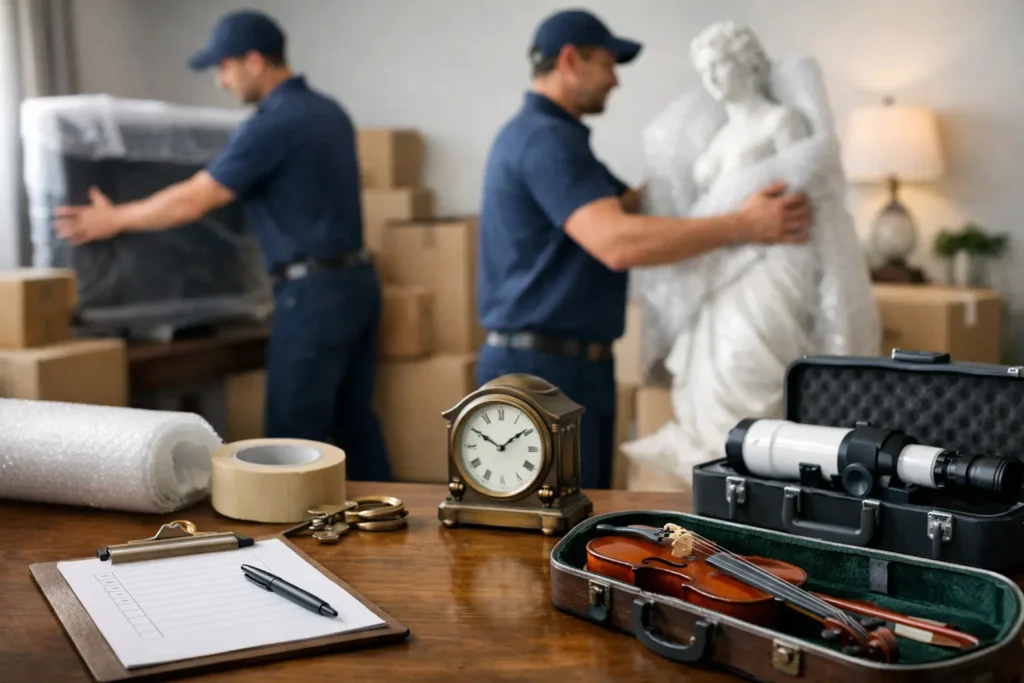
The item that causes trouble on moving day is rarely the couch. It is the upright piano that will not clear the hallway, the pool table that needs careful dismantling, or the fridge that has not been switched off in time. A solid specialty item moving checklist helps you catch those issues early, before they turn into delays, damage, or a very long day.
Specialty items need more than extra muscle. They need planning, the right equipment, and a clear idea of what can be taken apart, what must stay upright, and what needs added protection in transit. If you are moving a household or business and there are a few awkward, heavy, delicate, or high-value pieces involved, getting organised upfront makes the whole move safer and far less stressful.
Why specialty items need a different plan
Standard moving boxes and furniture can usually be packed, loaded, and stacked in a fairly predictable way. Specialty items are different because each one comes with its own risks. Weight is one issue, but shape, fragility, access, and surface protection matter just as much.
A piano, for example, is heavy but also finely balanced and vulnerable to knocks. A spa can be bulky rather than delicate, yet access points and lifting angles become the real challenge. Antiques may not weigh much at all, but old timber, glass, veneer, and decorative details can be damaged by poor wrapping or rough handling.
That is why the best checklist is not just a packing list. It is a preparation plan. It helps you work through what the item needs before the truck arrives, how it should be handled on the day, and what needs to be ready at the new address.
Your specialty item moving checklist before moving day
Start with a simple room-by-room review and note every item that falls outside a normal move. If it is unusually heavy, fragile, valuable, oversized, or difficult to dismantle, treat it as a specialty item.
From there, confirm the basics. Measure the item, then measure doorways, hallways, stairwells, lifts, gates, and access paths at both properties. People often focus on whether something fits in the truck, but the tighter problem is usually the front entry, a turn in the hallway, or a low stair landing.
Photograph each item before the move. This helps with condition records and also makes reassembly easier later, especially for things like gym equipment, office fit-outs, and pool tables. If there are existing marks, chips, or worn areas, record them clearly.
Remove loose parts wherever possible. Shelves, glass panels, racks, detachable legs, cords, and accessories should be packed separately and labelled properly. It is a small step that reduces breakage and makes lifting safer.
If the item has manufacturer instructions, keep them handy. That can be useful for appliances, commercial equipment, and adjustable furniture. Some items should stay upright at all times, while others need certain components secured before transport.
Finally, think about timing. Some items need preparation the day before rather than on the morning of the move. Fridges and freezers need defrosting. Spas need draining and drying. Printers and copiers may need ink systems secured. Leaving those jobs too late creates avoidable hold-ups.
Checklist by item type
Pianos
Pianos need careful handling because their weight is uneven and their finish can mark easily. Close and secure the lid, wrap exposed surfaces, and remove any loose music stands or accessories. Clear the path fully, including mats and small furniture that can become a trip hazard.
Do not try to move a piano with general household trolleys or improvised straps. The risk is not just damage to the instrument. It is also injury, especially on steps or sloped driveways. If there are narrow entries or level changes, flag that well in advance.
Pool tables
Pool tables often need dismantling before transport. The slate is extremely heavy, and the frame, legs, pockets, and felt all need separate care. If the table is being reassembled at the new property, good labelling matters.
Check access on both ends carefully. Even after dismantling, slate sections are awkward and heavy to carry. Also confirm where the table will go in the new space so there is enough room not just for the table itself, but for cues and movement around it.
Spas
A spa is a classic example of a move that looks simpler than it is. It needs to be fully drained, dry, disconnected, and measured. Covers, steps, and pumps may need to travel separately depending on the setup.
The real question is often site access. Tight side passages, soft ground, fences, retaining walls, and overhead lines can all affect how a spa is moved. If access is limited, that needs to be known early, not discovered when the truck is already parked outside.
Large appliances
Fridges, freezers, washing machines, and dryers all need a bit of preparation. Defrost where needed, disconnect hoses and cords, and tape doors shut once the inside is dry and clean. Shelves and trays should be removed or secured so they do not shift during transport.
Some appliances need time to settle before being turned back on after the move. That depends on the item and how it was transported, so checking the manufacturer guidance is worthwhile.
Antiques and fragile pieces
Antique furniture, mirrors, artwork, and display cabinets need a lighter touch. Wrapping should protect surfaces without creating pressure on delicate areas. Old joins, carved details, and original finishes can be more vulnerable than they look.
If an item has sentimental value as much as financial value, mention that early. It helps ensure the handling plan matches the item, rather than treating it like standard furniture.
Office and commercial equipment
For business moves, specialty items often include server cabinets, large printers, medical equipment, display units, and workshop machinery. These items usually carry two risks at once: physical damage and operational downtime.
Back up data where relevant, shut systems down correctly, and keep cables, remotes, fixings, and accessories together in labelled containers. If something needs technician support for disconnection or recommissioning, book that ahead of time so the move does not stall waiting on a specialist.
A second specialty item moving checklist for access and safety
Even well-packed items can become a problem if the path is not ready. Walk the route from the item to the truck and remove anything that narrows or clutters it. Pot plants, shoe racks, kids’ toys, rugs, and small tables are common hold-ups.
Check weather as well. Rain can make outdoor paths slippery, and Queensland heat can make moving heavy items harder and slower. If the move involves stairs, steep driveways, or long carrying distances, allow extra time and do not assume the day will run like a standard house move.
Parking matters too. The closer the truck can get to the property, the better. If there are body corporate rules, loading dock requirements, or limited street access, sort those details out before moving day.
What people often miss
The most common issue is underestimating setup at the new place. It is one thing to get a heavy item out of the old property. It is another to place it safely in the right room, with enough clearance, on a suitable surface, without having to move it twice.
Think about floor protection, wall clearance, and whether the item can actually be used once it is in position. A fridge might fit the kitchen cavity but not open properly. A pool table might fit the rumpus room but leave no cue space. A piano may need to sit away from direct sun or moisture.
Another missed step is keeping essential parts together. Screws, bolts, power cords, remote controls, and brackets have a habit of disappearing into random cartons. Use labelled bags and keep them with the item they belong to.
When it makes sense to get help
Some moves are fine to manage yourself. But when an item is especially heavy, delicate, awkward, or valuable, help is not just about convenience. It is about reducing risk. The cost of damage, injury, or a failed lift is usually far higher than the effort saved by trying to improvise.
This is where experience counts. A team that regularly handles pianos, spas, antiques, and commercial equipment will spot problems earlier and plan for them properly. For households and businesses around Ipswich, that kind of local know-how can make a real difference when access is tight or timing is critical.
Moving day feels easier when the hard parts have already been thought through. If you have specialty items on your list, give them the attention they need early, and the rest of the move tends to follow more smoothly.