
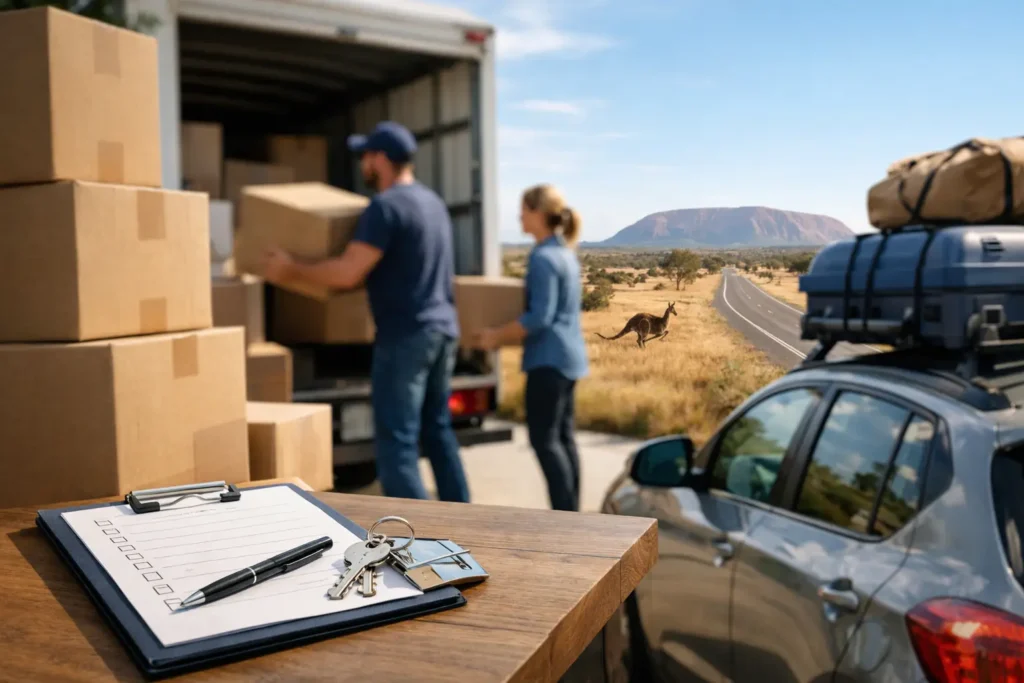
When you are moving house across state lines, the small things are usually what catch you out. It is not the couch or the fridge people forget about. It is school records, utility cut-off dates, pet paperwork, access times for apartment lifts, and the box with chargers you thought you packed last. A solid moving interstate checklist that Australian households can actually use needs to cover more than packing. It needs to help you stay calm, keep the move on track, and avoid the last-minute scramble.
Interstate moves are different from local ones because there are more moving parts, more timing risks, and less room for error. If your truck is heading from Queensland to Victoria or New South Wales, a missed step today can turn into a stressful delay a few days later. That is why the best checklist is not just a to-do list. It is a timeline.
Moving interstate checklist Australia: start 6-8 weeks out
This is the stage where planning saves the most stress later. Start by locking in your moving date and getting clear on what is actually going with you. Interstate transport is easier when you are not paying to move things you no longer use, need, or want in the new place.
Walk room by room and sort items into keep, donate, sell, store, and dispose. Be realistic. If that spare chair has not been used in three years, it probably does not need a place on the truck.
This is also the right time to confirm access at both properties. If you are moving into a unit, ask about lift bookings, loading zones, parking rules, and building move-in hours. If either property has a steep driveway, tight stairs, or limited street access, mention it early to your removalist. Those details matter.
You should also gather key documents in one clearly marked folder or file. Include ID, lease or settlement paperwork, school records, medical information, pet vaccination details, removalist booking confirmation, and any inventory notes for high-care items.
Four weeks before the move
By now, your dates should be confirmed and your packing plan should be underway. If you are packing yourself, start with the rooms and items you use least. Books, spare linen, seasonal clothes, décor, and stored items can all be packed early without disrupting daily life.
Label every box properly. Write the destination room and a short note about contents. “Kitchen” helps, but “Kitchen – plates and pantry” is far more useful on delivery day. Mark fragile items clearly, but pack them properly too. A label alone will not protect glassware.
This is also the time to start your address updates. Redirect mail and update your details with banks, insurers, schools, employers, Medicare, subscriptions, and any service providers that still send physical documents. It is a simple task, but it is one of the easiest to leave too late.
For families, think beyond the boxes. If children are changing schools, make sure enrolments, records, uniforms, and first-day arrangements are sorted early. For pets, check whether your new rental or property has any conditions, and plan how your pet will travel. A long interstate move day can be noisy and tiring for animals, so it helps to organise a quieter option where possible.
Two weeks out: confirm the details
This is the point where your checklist becomes more practical. Reconfirm the moving date, delivery window, and any special handling requirements. If you have a piano, spa, pool table, antiques, or oversized furniture, make sure everyone is working from the same information.
Go through your home and set aside anything that should travel with you rather than on the truck. That usually includes medications, important documents, valuables, laptops, chargers, a few days of clothes, toiletries, and children’s comfort items.
If you are driving interstate yourself, have the car checked and map out rest stops if needed. If your vehicle is being transported separately, make sure you understand handover timing and what can stay inside it.
This is also a good time to use up food in the freezer, fridge, and pantry. Fewer perishables means less waste and less hassle on the day. Cleaning supplies should be reduced too. There is no point moving half-used bottles that may leak in transit.
Your moving interstate checklist for the final week
The last week is all about keeping things simple. Finish most of your packing before the day before the move. Leaving too much until the end usually leads to rushed boxes, poor labelling, and things going missing.
Pack an essentials bag for each person in the household. Think of it as an overnight bag plus a few extras. Include clothes, toothbrushes, medication, chargers, snacks, toilet paper, basic cleaning items, and anything you will need before all the boxes are unpacked.
Defrost the fridge if it is coming with you and make sure outdoor items are ready to go. Garden tools, hoses, pot plants, and outdoor furniture often get forgotten until late, even though they can take extra time to prepare.
If weather might be a factor, plan for that too. Rain can slow access and affect how things are loaded. Heat can be hard on both people and sensitive items. A bit of preparation goes a long way.
What to do on moving day
Try to keep moving day clear of extra jobs. If possible, arrange care for young children and pets so you can focus on access, questions, and final checks.
Before the truck leaves, do one full walk-through of the property. Open cupboards, check drawers, look in the shed, and inspect behind doors. Most forgotten items are found in places people stopped noticing weeks ago.
Keep your phone handy and stay reachable during transit. Good communication matters with an interstate move, especially if delivery timing shifts due to traffic, distance, or access conditions. A dependable moving team will keep you updated, but it helps when you are ready to answer quickly too.
If you are handing over keys to a landlord, buyer, or agent, make sure you know exactly when and where that is happening. Small admin details can create big stress if they are left vague.
Settling in after an interstate move
Arriving is not the finish line. The first two days in a new home are usually where pressure builds again, especially if you cannot find everyday essentials. Start with the practical rooms first – bedrooms, bathrooms, and kitchen. Getting those set up early makes the whole place feel manageable.
As boxes come in, check them against your own labels or inventory notes. If anything needs attention, raise it promptly while details are still fresh. It is much easier to sort out questions early than a week later.
Test the basics straight away. Power, internet, hot water, appliances, and smoke alarms should all be checked early. If you have moved for work or school, use the first few days to map the local route, find nearby services, and get your bearings before normal routines kick in.
For businesses, the priorities are slightly different. You will want workstations, internet, phones, stock, and customer-facing areas ready as soon as possible. A commercial interstate move usually runs best when there is a clear unpacking order rather than everyone opening random boxes at once.
Common interstate moving mistakes
Most moving problems are not dramatic. They are usually the result of timing, assumptions, or lack of preparation. Underestimating how long packing takes is a common one. So is forgetting access restrictions at apartments or office buildings.
Another mistake is treating interstate moving like a bigger version of a local move. It is not always that simple. Longer travel times, delivery windows, weather changes, and state-to-state logistics can all affect how the move runs. That does not mean it has to be difficult. It just means planning matters more.
People also tend to pack valuables too early or bury essentials in the truck. Keep the things you genuinely need close to you. Your first night will be far easier if you know exactly where your chargers, medication, kettle, and clean clothes are.
When extra support makes sense
Some moves are straightforward. Others have extra pressure built in from the start. Tight settlement dates, regional drop-offs, office relocations, difficult access, and specialty items all raise the stakes. In those situations, working with an experienced team can save more than time. It can reduce the risk of damage, confusion, and avoidable delays.
A local company that knows the practical side of interstate moving can also help you spot issues before the truck arrives. That kind of support is often what turns a stressful move into an organised one. For households and businesses around Ipswich, that is exactly where a team like Springall Movers can make the process feel simpler and more manageable.
The best checklist is the one you actually use. Start early, keep it realistic, and focus on the details that make arrival easier, not just departure.