
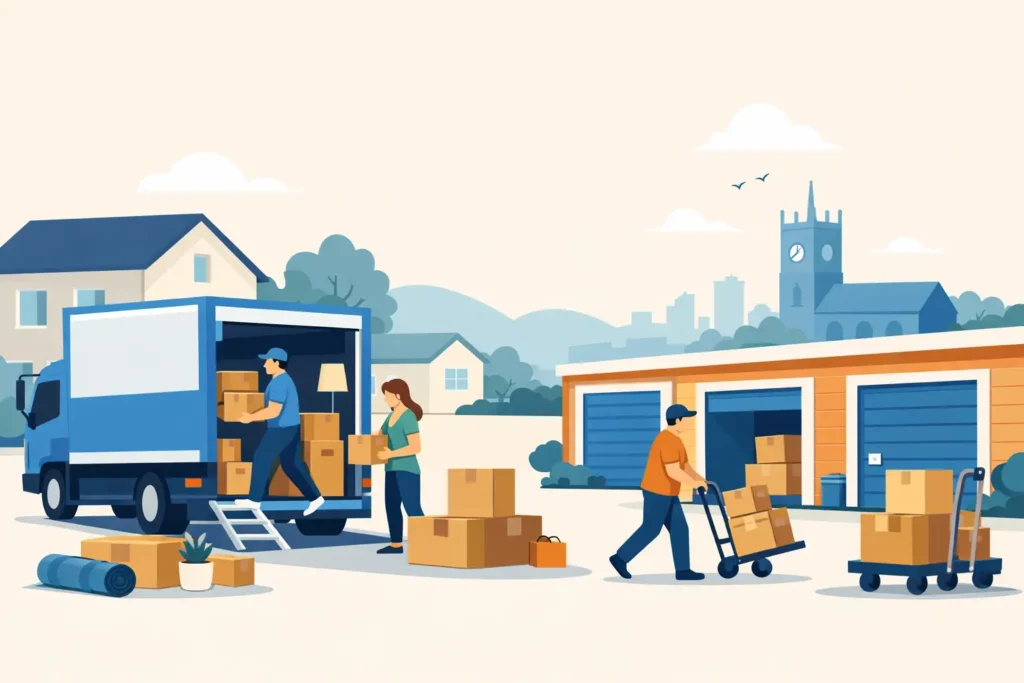
The week before a move is usually when the small stuff starts to feel big. Keys need collecting, boxes pile up in the hallway, the lounge somehow looks fuller than ever, and suddenly you are trying to work out whether the fridge goes first, last, or not at all. That is where the right moving and storage Ipswich service makes a real difference – not just by lifting furniture, but by taking pressure off the whole process.
For some people, storage is part of a straightforward house move. For others, it is what keeps the move possible in the first place. Settlement dates do not always line up. Rental leases can overlap awkwardly. Office fit-outs get delayed. Family changes can happen fast. When your timeline shifts but your belongings still need to be packed, protected and moved properly, having removals and storage handled together is often the simplest option.
Why moving and storage work better together
When moving and storage are organised separately, the cracks tend to show on timing, communication and cost. One company collects your goods, another receives them, and somewhere in the middle there is room for confusion about access, inventory, protection and responsibility.
A combined service is usually easier to manage because your belongings are handled by one team from pickup to delivery. That matters when you are moving a full house, an office, or anything that needs extra care. Fewer handovers generally mean fewer chances for damage, delays or mixed messages.
It can also make quoting more transparent. If packing, transport and storage are all scoped at the start, you are less likely to be caught out by add-ons later. No one enjoys finding out too late that access fees, extra labour or storage conditions were not explained properly.
When storage actually helps
Storage is not only for long-term situations. In practice, it is often most useful for short gaps and unexpected changes.
A family moving between homes might need a couple of weeks while waiting for final settlement. A renter may need to vacate before the next place is ready. A business relocating offices may want furniture and files stored while new premises are painted, wired or refitted. Downsizers often need more time to decide what fits and what does not, especially when moving from a larger home into something smaller.
Then there are the more complex jobs. Estate clear-outs, separation-related moves, renovations, and urgent relocations rarely run to a neat timetable. In those cases, storage gives you breathing room. Instead of rushing decisions on move day, you can secure your belongings first and sort the rest with a clearer head.
What to look for in a moving and storage Ipswich provider
A good provider should make things feel clearer, not more complicated. That starts with communication. You should know what is being moved, where it is going, how it is protected, how long it can be stored, and what the costs are before the job begins.
Local knowledge matters too. In and around Ipswich, access can vary a lot between older homes, new estates, apartment complexes and commercial sites. Narrow driveways, stairs, tight turning areas and strict building access windows can all affect timing and labour. A local team is more likely to ask the right questions early and plan accordingly.
Care is another big one. Plenty of moves involve more than boxes and basic furniture. Items like pianos, spas, pool tables, antiques and large office equipment need proper handling, the right equipment and an experienced crew. If a company treats every move as standard, that is worth taking seriously.
Insurance and accountability should never be brushed past. Ask what cover is available, what the process is if something goes wrong, and who is responsible while goods are in transit or storage. Clear answers matter.
Packing affects storage more than most people think
People often think of packing as a separate job, but it has a direct effect on how well items hold up in storage. Poorly packed boxes collapse. Unwrapped furniture picks up marks. Loose items shift in transit and are harder to stack safely.
That does not always mean you need a full packing service. It depends on your time, budget and the type of goods involved. Some customers prefer to pack personal items themselves and leave larger, fragile or awkward pieces to professional movers. That middle ground often works well.
The key is consistency. Use sturdy boxes, label clearly, avoid overpacking, and protect anything breakable properly. If belongings may sit in storage for a while, think beyond the move day rush. Pack for protection as much as transport.
The trade-off between price and peace of mind
It is natural to compare quotes, and price matters. But the cheapest option is not always the cheapest once the move is underway. Low upfront pricing can sometimes mean vague terms, rushed labour, limited care, or surprise fees for stairs, access issues or heavier items.
That does not mean the highest quote is automatically the best either. What you want is a clear quote that reflects the actual job. If you are comparing providers, look at what is included, how storage is charged, whether packing materials are extra, and how changes to dates or access are handled.
A dependable team will usually be upfront about trade-offs. A smaller move with flexible timing may be fairly simple. A large family home, a last-minute booking, or a move involving specialty items and storage will need more planning. Honest advice is more useful than a quote that looks good until moving day.
Residential and commercial moves need different planning
House moves are often emotional as well as practical. Families may be juggling school routines, work, pets and settlement dates all at once. In that setting, reliability and respectful handling matter just as much as speed. People want to know their things will arrive safely and that the day will run to plan.
Commercial moves come with different pressures. Downtime costs money. Staff need access to equipment. Files, stock and furniture need to be moved in a way that keeps the business organised. Storage can be especially helpful here when the new site is not fully ready or when only part of the office is relocating at a time.
The best approach depends on the job. Some businesses need an after-hours move to reduce disruption. Some households need staged transport over more than one day. Good planning should fit the move, not force every customer into the same process.
How to make your move easier before the truck arrives
A smoother move usually starts with a realistic plan. Confirm dates early where possible, declutter before packing, and tell your mover about anything unusual – steep driveways, fragile items, limited access, building booking requirements, or pieces that may need disassembly.
If storage is part of the plan, be clear about what you will need access to and what can stay packed away. There is no point burying important documents, work gear or everyday essentials behind three rows of furniture if you may need them next week.
It also helps to keep one essentials box or bag aside with chargers, medication, toiletries, paperwork and a change of clothes. That sounds basic, but it can save a lot of frustration on the first night.
A local service should feel personal, not generic
There is a noticeable difference between a moving company that knows the area and one that treats every suburb the same. Local operators tend to understand common access issues, travel times, and the practical details that can affect move day. Just as importantly, they know their reputation is built one job at a time.
That is why many households and businesses prefer a locally owned team over a franchise model. The service often feels more accountable, more flexible and more human. At Springall Movers, that local approach is part of the value – careful handling, straightforward pricing and support that feels organised from the first quote through to final delivery.
Moving is rarely just about getting belongings from A to B. It is often happening alongside work deadlines, family changes, property timelines or business pressure. The right support should reduce that load, not add to it. If storage gives you the breathing room to move properly, it is not an extra – it is part of making the whole job safer, simpler and less stressful.
One Response
I was hesitant at first but the welcome package here is genuinely fair. The slot library updates regularly and customer service responds within minutes. I feel comfortable placing bets and the payout process is completely transparent. melbetmxcasino