
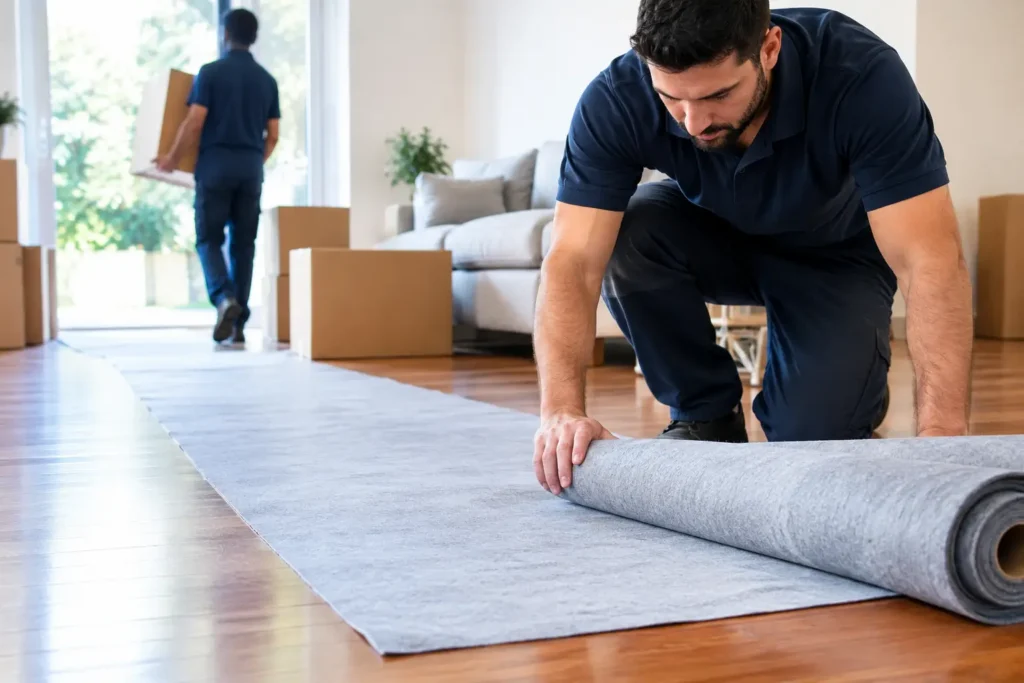
A scratched timber board, a torn patch of carpet or grit ground into a new tile floor can turn an otherwise successful move into a frustrating clean-up job. The good news is that it does not take much to protect floors during a move when the plan is in place before the first box comes through the door. A few well-chosen protective materials, clear walkways and careful lifting make a real difference.
For homes and businesses around Ipswich, floor protection matters at both ends of the move. You may be leaving a rental that needs to pass its final inspection, moving into a freshly renovated home, or relocating an office where the flooring cannot be taken out of service for repairs. The goal is simple: keep dirt, moisture, wheels and heavy furniture away from the surface as much as possible.
Start with the path, not the furniture
Before moving day, walk the route your belongings will take from each room to the truck. Include hallways, stairs, entrances, lifts, verandahs and any narrow turns. This is where most floor damage happens, usually because people are focused on the item they are carrying rather than what is underfoot.
Remove loose mats, shoes, pot plants, cables and other trip hazards. These items can bunch up under a trolley, collect dirt or force movers to take an awkward path. If rain is possible, plan a covered staging area near the entrance and have old towels ready for wet shoes, wet furniture feet and damp boxes.
It also helps to measure tight spaces in advance. Knowing that a fridge, sofa or desk will clear a doorway means less twisting, dragging and stopping midway through a room. If something will not fit cleanly, disassemble it where practical instead of trying to force it through.
Choose protection for your floor type
There is no single covering that suits every surface. The right material depends on the floor, the weather, how long the move will take and the weight of the items being moved.
Timber and polished floors
Timber floors show scratches quickly, especially when grit gets trapped beneath shoes, boxes or furniture. Start by sweeping or vacuuming the main route so there is no dirt to grind into the finish. Then use a non-slip protective covering designed for hard floors, secured at the edges with low-tack tape where appropriate.
Avoid plastic sheeting directly on polished timber. It can become slippery, particularly in humid or wet conditions, and some tapes may affect the finish if left in place. Furniture should be lifted rather than dragged, with clean felt pads or furniture sliders used only where they are suitable for the surface and the item is stable.
Tile, vinyl and laminate
Tiles are hardwearing, but their grout lines and edges can chip if heavy furniture is dropped or rolled carelessly. Vinyl and laminate can be marked by sharp corners, heavy wheels and grit. Protective runner material or clean cardboard can work well over short, dry routes, provided it is taped flat and cannot slide.
For appliances and heavy cabinets, use proper dollies with suitable wheels and a trained person guiding the load. Never let a loaded trolley bump across a raised tile edge or threshold. Slower movement at transitions protects both the floor and the people handling the item.
Carpet
Carpet is most vulnerable to mud, moisture, oil from equipment and dark scuff marks. Use carpet film or runners made for this purpose along the busiest paths. Make sure the film is suitable for the carpet type and remove it once the move is complete, especially in warm conditions.
Cardboard is useful for protecting carpet under furniture while it is being placed, but it is not ideal for wet weather. Once it gets damp, it softens, shifts and may transfer colour or dirt. Keep a separate doormat or towel station at the door so shoes can be wiped before anyone walks through the house.
Concrete, garage and outdoor areas
Garages, driveways and patios are often used as temporary holding areas. Sweep them first. Small stones under a box or under the wheels of a trolley can scratch indoor floors when those items come back inside.
If furniture needs to wait outdoors, place it on clean moving blankets, boards or dry protective sheets rather than directly on concrete or grass. This keeps dirt off the item and out of the home.
Use the right materials and secure them properly
Floor coverings only work if they stay flat. A loose runner can become a trip hazard, while a wrinkled sheet allows dirt underneath and creates uneven footing for a trolley.
For a typical move, it is useful to have these materials ready:
- hard-floor runners or protective boards for busy internal routes
- carpet film or carpet-safe runners for dry carpeted areas
- moving blankets for furniture and temporary staging
- clean towels or absorbent mats for entrances and wet weather
- low-tack tape suitable for temporary floor protection
- furniture sliders, felt pads and a trolley suited to the load
Tape should secure the edges only, not create a maze of strips across the walking surface. Test a small, hidden area first if you are unsure how a floor finish will react. On delicate, newly finished or heritage timber, protective boards with a non-slip layer may be the safer choice.
Keep dirt and water outside
Most marks are not caused by a dramatic accident. They come from repeated trips between the truck and the house, with dust, gravel or dampness carried in on shoes and trolley wheels. Set up one clear entry point and keep a broom, towels and a rubbish bag close by.
Ask everyone involved in the move to use that same route. This keeps protection where it is needed and prevents people tracking dirt through rooms that are already empty. If there is rain, assign someone to check the entrance covering regularly and swap out wet towels before they become saturated.
At the new property, protect the main entrance before unloading begins. It is much easier than trying to clean muddy marks from a newly laid carpet after a long day.
Move heavy items without dragging
Dragging is one of the fastest ways to damage floors. Even an item that looks manageable, such as a chest of drawers or small bookcase, can leave a deep scratch if a nail, screw or rough furniture foot catches the surface.
Empty drawers where possible, wrap the item and lift it with enough people for the weight and shape. For very heavy belongings such as pianos, pool tables, spas, safes or large appliances, specialised equipment and experienced handling are essential. These items place concentrated weight on a small area, so the protection beneath them needs to be stronger than a simple runner.
A trolley can reduce strain, but it is not a licence to rush. Check the wheels for grit, use wide routes, and keep the load balanced. At doorways, ramps and thresholds, have one person guide the wheels so they do not strike or scrape the floor edge.
Protect floors during a move with a clear team plan
Whether friends are helping or you have booked removalists, take five minutes before work starts to agree on the process. Point out the protected route, identify any vulnerable flooring, and explain where furniture can be set down safely. This avoids confusion when the truck arrives and everyone is keen to get moving.
Keep boxes sealed and avoid overfilling them. A box that splits can scatter sharp objects, dirt and packing material across the floor. Label heavy boxes clearly so they are lifted correctly, not dragged into position at the last minute.
For office relocations, the same principle applies on a larger scale. Protect high-traffic corridors, separate pedestrian and trolley routes where possible, and schedule bulky items before workstations and loose equipment. A staged move keeps the site safer and gives the team room to work without cutting corners.
Check the floor before you finish
Once the last item is loaded or placed, do not pull up the coverings immediately. First, check that all furniture is positioned and that no further trips through the property are needed. Then remove protection carefully, rolling it inward to keep trapped dirt contained.
Vacuum or sweep the route and inspect it in good light. Look for moisture, tape residue, scuffs or small debris beneath furniture. Catching a minor mark straight away gives you the best chance of cleaning it without causing further damage.
A careful move is not just about getting belongings from A to B. It is about leaving each space in good order and arriving at the next one ready to feel like home. With a protected path and people who take their time around the tricky spots, your floors can come through moving day just as well as everything else.