
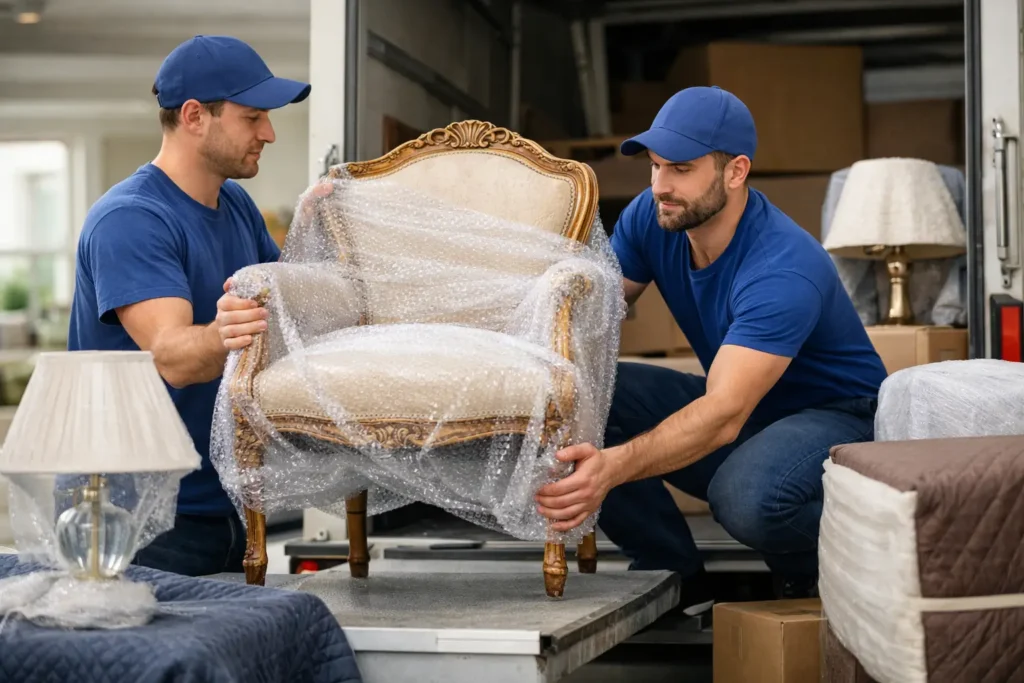
A glass-fronted cabinet, a hand-me-down dining table or a favourite armchair can be worth far more than its replacement cost. When these pieces are being lifted through doorways, loaded onto a truck and carried into a new home, choosing insured movers for fragile furniture gives you a clearer plan for protecting what matters.
Insurance is only one part of a careful move, though. The right removalist should also assess access, use suitable protective materials, secure items properly in the truck and communicate clearly about what is covered before moving day. That combination is what helps reduce stress when you are trusting someone with delicate belongings.
What insured movers for fragile furniture actually means
The term can sound straightforward, but insurance arrangements differ between removalists and policies. Some cover may apply to loss or damage while goods are in transit, while other arrangements may have limits, exclusions or conditions that affect a claim. Cover for a modern lounge may not work the same way as cover for a family antique, artwork or a piece with existing damage.
For that reason, do not assume that a removalist’s insurance automatically covers every item for every situation. Ask what type of cover is available, whether it applies during loading, transport and unloading, and whether there is an excess. You should also ask whether you need to declare high-value pieces separately.
A dependable mover will welcome these questions. Clear answers before the truck arrives are far better than uncertainty after an accident.
Care comes before the insurance paperwork
Insurance provides reassurance if something unexpected happens. Careful handling is what aims to stop damage from happening in the first place.
Fragile furniture needs a moving plan that matches the item. A solid timber sideboard may need blankets, corner protection and careful strapping. A display cabinet with glass doors may need shelves removed or secured, doors protected and a two-person carry. An upholstered chair may require clean covers to protect it from dust, scuffs and moisture.
The truck matters as well. Furniture should not be loaded loosely alongside heavy boxes, tools or appliances that can shift during travel. Experienced movers use protective blankets, straps and sensible load placement so pieces are supported rather than pressed against each other.
This is particularly relevant for moves with stairs, narrow hallways, lifts, steep driveways or long carrying distances. A quick inspection or a detailed conversation ahead of time allows the team to bring the right equipment and allocate enough people to the job. Rushing a difficult carry is never a good trade-off for a fragile piece.
Questions to ask before booking a removalist
You do not need to become an insurance expert to make a sound decision. A few direct questions can reveal whether a mover is organised, transparent and prepared for high-care work.
Ask how fragile furniture will be packed and protected, who will handle disassembly and reassembly where needed, and how items will be secured in the vehicle. If a piece is unusually valuable, old or difficult to move, explain that from the first enquiry rather than leaving it until moving day.
It also helps to ask for the insurance details in plain language. Find out what events may be covered, what exclusions apply, whether pre-existing marks are excluded, and what information would be needed if you had to make a claim. If you are packing your own cartons, check whether that affects cover for their contents. In some cases, an item that has been poorly packed by the owner may be treated differently from one professionally packed by the removalist.
Finally, ask how damage concerns are handled. A professional team should have a clear process for recording an issue and responding promptly. Good service is not only about getting everything there safely. It is also about accountability if something does not go to plan.
Prepare fragile pieces before move day
A little preparation makes it easier for movers to protect furniture properly and gives you a useful record of its condition. Start by taking clear photos of each high-care item from several angles. Include close-ups of existing scratches, chips, loose veneer or worn areas. These photos are practical, not pessimistic. They help everyone work from the same understanding.
Empty drawers, cupboards and display shelves unless your removalist tells you otherwise. Loose contents add weight, can shift in transit and may place pressure on glass or joins. Wrap and pack ornaments, dishes and removable glass separately. Keep screws, keys and small fittings in labelled bags, then tape the bag securely inside a drawer or place it in a clearly marked essentials box.
For pieces with delicate legs, carved details or removable parts, tell the moving team before the day. The same applies to furniture that has been repaired, is structurally weak or cannot safely bear weight. Honest information lets the crew choose the safest handling method instead of discovering a problem halfway down the path.
If you are moving during wet weather, make sure there is a clear route between the house and truck. Cover outdoor steps where practical, move pot plants and hoses out of the way, and keep pets and children clear of the carrying path. These small steps protect both your furniture and the people moving it.
Special pieces need a different approach
Not all fragile furniture is fragile for the same reason. An antique may have aged joints and irreplaceable finishes. A marble-topped table is heavy and vulnerable to cracking if it is carried incorrectly. A tall cabinet can be awkward because of its height, glass panels and narrow base. Large mirrors and framed artwork require protection from flexing, impact and pressure from other items.
Some pieces are best disassembled, while others are safer kept intact. It depends on the construction, the access at both properties and whether taking the piece apart could weaken it. A quality removalist will not use one method for every item.
For specialty pieces such as pianos, pool tables or spa equipment, standard furniture moving experience may not be enough. These jobs can need specific equipment, additional crew members and a planned route. Raise them early so the removalist can assess the job properly rather than making assumptions on the day.
Local knowledge can prevent avoidable damage
The journey starts before the truck leaves. In Ipswich and surrounding areas, older homes, Queenslanders, sloped blocks and tight access can all affect how fragile furniture is moved. A team that understands local streets and common property layouts can plan for parking, stairs, weather and access restrictions with fewer surprises.
That does not mean every local move is simple, or that an interstate move is automatically riskier. Distance is only one factor. A well-packed and correctly secured load can travel a long way safely, while a short move with difficult stairs and poor access needs just as much care.
At Springall Movers, the focus is on planning each move around the items, access and support you actually need. No pressure, no guesswork, and no treating a treasured piece of furniture like just another box.
When additional cover may be worth considering
If you are moving items with a value that would be difficult to replace, check whether your existing home and contents policy offers any protection during a move. You may also be able to arrange additional transit cover, depending on your insurer and circumstances.
This can be especially worth exploring for antiques, custom-made furniture, heirlooms and collections. Keep valuations, receipts or photographs where available, and make sure the description of the item is accurate. The goal is not to overcomplicate your move. It is to make a sensible decision based on what you own and how much risk you are comfortable carrying.
A safer move starts with an honest conversation
Before you book, walk through the items you are most concerned about and ask how they will be handled. A removalist who listens, explains the process and is upfront about insurance will help you make decisions with confidence.
Your fragile furniture has made a home with you for years. It deserves a moving plan that treats it with the same care from the first lift to the final placement.