
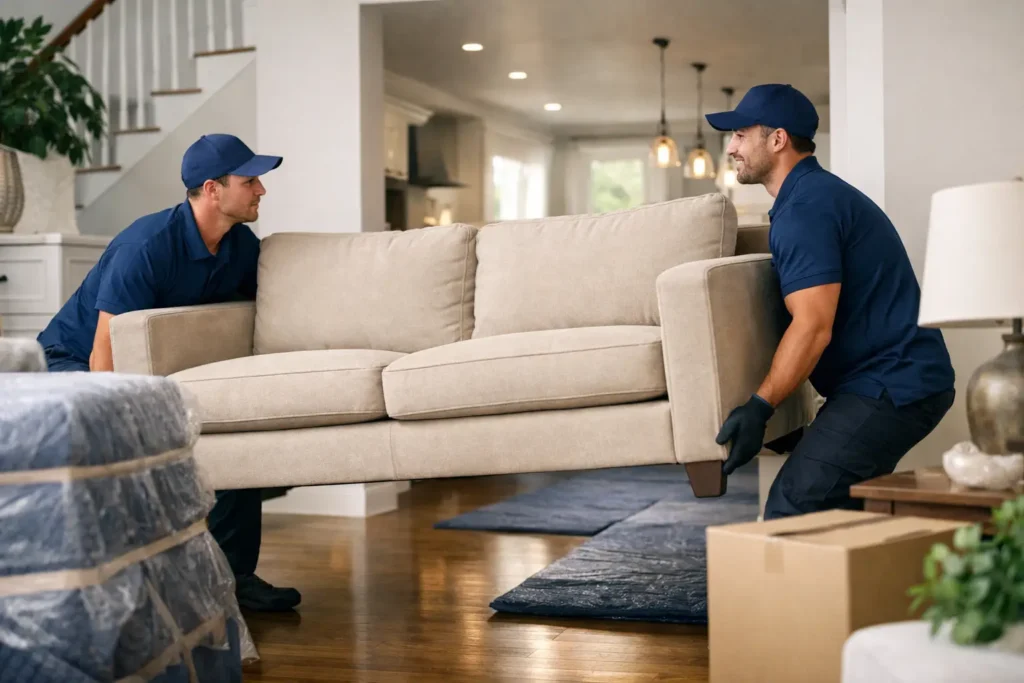
A scratched dining table or chipped bookcase can take the shine off an otherwise well-run move. Careful furniture handling services are about more than getting items from one address to another. They are about protecting the pieces you use every day, the heirlooms you cannot replace and the belongings that make a new house feel like home.
For families, renters, business owners and anyone moving under pressure, the difference is often in the details. Is the furniture assessed before it is lifted? Are walkways checked? Are corners, door frames and floors protected? Does the team have a plan for the heavy, awkward or delicate pieces before moving day gets busy?
A careful move should feel organised from the first item loaded to the last item placed in your new space. No unnecessary rushing. No guesswork. Just capable people treating your belongings with the same respect they would expect for their own.
What Careful Furniture Handling Services Actually Include
Furniture is rarely just furniture. A sofa may need to come through a narrow hallway. A tallboy may be too heavy to move safely without removing drawers. A glass-fronted cabinet needs different protection from a solid timber bed frame. Good removalists recognise those differences before they start lifting.
Careful handling begins with planning. Movers should identify large, fragile and high-care items, consider access at both properties, and work out the safest order for loading and unloading. This makes the day more efficient, but it also reduces the chance of an item being bumped, dragged or forced through a space where it does not fit.
Protection is another key part of the job. Furniture blankets, wrapping materials and secure tie-down methods help prevent rubbing and movement during transport. Mattresses, upholstered pieces and timber surfaces each need sensible protection based on their condition and the distance travelled. For an interstate relocation, secure loading matters even more because items will spend longer on the road.
Care also means using the right lifting approach. Heavy furniture is not made safer by simply adding more effort. It needs clear communication, balanced lifting and, where appropriate, equipment that helps the team move the item without putting people, walls or the furniture at risk.
Why Damage Often Happens During a Move
Most furniture damage is not caused by one dramatic mistake. It usually happens in small moments: a chair leg catches on a doorway, a bedside table slides in the truck, or a wardrobe is carried without checking the turn at the end of the hall.
Rushed loading is a common issue. When a truck is packed without a sensible order, heavy pieces can press against lighter items or unsecured furniture can shift as the vehicle travels. The right load plan keeps weight balanced and creates a stable arrangement, rather than filling gaps as quickly as possible.
Access can also create trouble. Queensland homes can have stairs, tight internal corners, sloped driveways, narrow gates and outdoor paths that become slippery after rain. A careful team takes a look at these practical challenges and adjusts the plan. Sometimes that means removing legs from a table, wrapping an item before it leaves the room, or using a different route to the truck.
Not every item should be treated the same way. Flat-pack furniture may be light but vulnerable at weak joins. Antique timber can mark easily. Glass shelves need separate protection, while a recliner can be bulky and awkward to manoeuvre. Proper handling is not a one-size-fits-all process.
Preparing Your Furniture Before Moving Day
A few simple preparations can make a real difference, especially when the move involves a large home, storage or several locations. Start by clearing drawers where possible. Loose items can shift during carrying, add weight and cause damage to the furniture itself. Drawers in lightweight pieces may be secured if needed, but heavy drawers are generally safer removed.
Take photos of valuable or sentimental furniture before the move. This gives you a clear record of its existing condition and helps you remember how items were assembled or positioned. If a piece has a loose handle, unstable leg or existing crack, point it out before loading. Good information allows movers to handle it appropriately.
Disassembly can be worthwhile for beds, large dining tables, modular lounges and certain wardrobes. It is not always the best choice, though. Some older or fragile pieces are safer moved intact, while some flat-pack furniture may not tolerate repeated dismantling. This is where practical judgement matters. The goal is not to take everything apart. It is to choose the safest method for that particular item.
Keep small hardware together in labelled bags and avoid taping bags directly to polished timber or delicate surfaces. If you have an item with special instructions, such as a cabinet with a loose glass panel, tell the team early rather than mentioning it while the truck is being loaded.
Protecting Your Home as Well as Your Furniture
Careful handling should protect the property at both ends of the move. Furniture can be replaced more easily than a damaged wall, scratched floorboard or marked door frame, but neither should be treated as acceptable collateral damage.
Before work begins, clear pathways of toys, rugs, pot plants and loose boxes. Make sure there is enough room around doorways and stairs for movers to work safely. If you are moving from an apartment or office, confirm access arrangements for lifts, loading zones and building requirements ahead of time.
Floor protection can be especially helpful when moving on wet days or through high-traffic areas. It also pays to think about pets and children. Keeping them away from loading paths is safer for everyone and gives the crew room to focus on the task in front of them.
At delivery, clear communication remains important. Let the team know where major pieces belong before they are carried inside. A labelled room or a quick walkthrough can prevent a heavy cabinet being moved twice. It saves time, avoids extra handling and helps your new place feel settled sooner.
High-Care Items Need More Than Extra Muscle
Some belongings call for specialist planning. Pianos, pool tables, spas, large mirrors, stone-topped furniture and oversized commercial equipment are not ordinary lifting jobs. Their weight distribution, delicate components and access requirements can make an attempted shortcut costly and unsafe.
A piano, for example, is heavy but also mechanically delicate. A pool table may require careful dismantling and reassembly. A spa can be awkward to manoeuvre through a yard, particularly where there are steps, soft ground or tight side access. These jobs need the right people, equipment and a clear plan before anyone starts moving.
The same principle applies in offices. Desks, filing cabinets, boardroom tables and IT-adjacent furniture need to be moved in a way that supports an orderly relocation. Businesses often have limited downtime, so careful work and efficient work should go together. One does not need to come at the expense of the other.
Questions Worth Asking Before You Book
Trust is built before moving day. When choosing a removalist, ask how they assess access, protect furniture in transit and manage unusual items. Ask whether the team is experienced with the type of move you are planning, whether that is a local house move, office relocation, storage transfer or interstate delivery.
It is also sensible to understand insurance arrangements and what protection applies to your belongings. Insurance details can vary depending on the service and the item, so clear information is far better than assumptions. A professional mover should be upfront, easy to speak with and willing to explain the process in plain language.
Look for a team that asks useful questions in return. The number of bedrooms is helpful, but it does not tell the whole story. Stairs, difficult access, fragile pieces, parking limitations and timing requirements all affect how a move should be organised. A tailored plan is a sign that the mover is thinking ahead.
The Value of Local Knowledge and a Steady Team
In and around Ipswich, local knowledge can make a practical difference. Knowing the common access challenges of local streets, estates, apartment buildings and surrounding routes helps a moving team plan with fewer surprises. It is particularly useful when timing matters or when the move involves more than one stop.
At Springall Movers, careful handling is built around preparation, capable lifting and respectful service. The aim is simple: move your furniture safely, keep the day running smoothly and give you confidence that your belongings are being looked after.
The best move is not the one with the most activity. It is the one where every item arrives where it should, your home is treated with respect, and you can get on with making the new place yours.
2 Responses
https://shorturl.fm/uWOae
https://shorturl.fm/SLk7k