
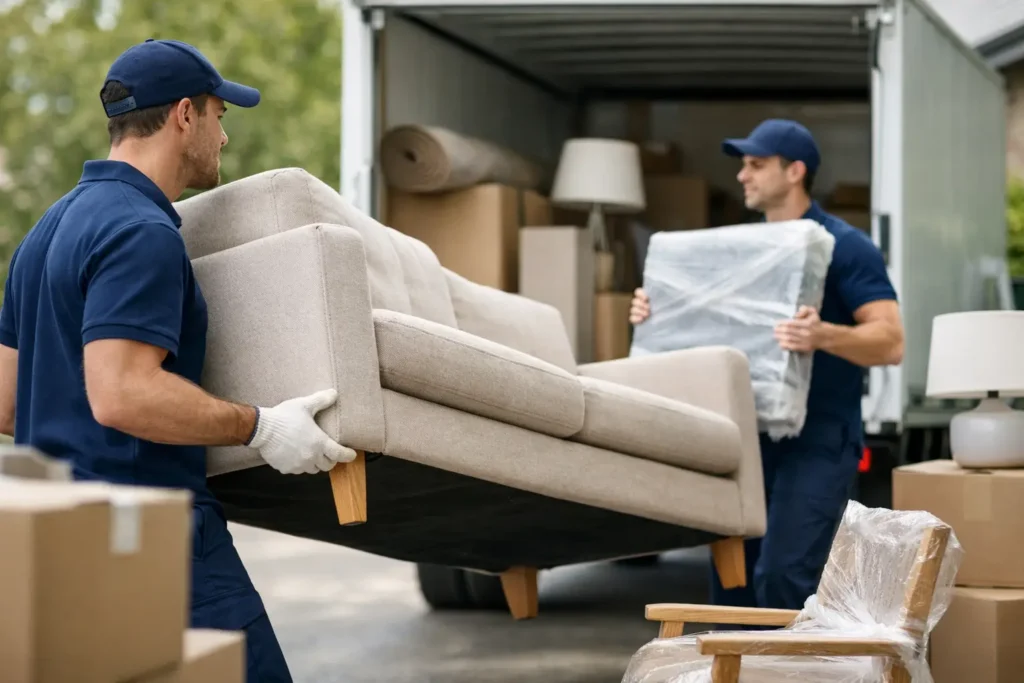
A lounge clipped on a doorway, a fridge scratched in transit, a desk damaged during an office move – these are the moments people remember long after the boxes are unpacked. That is why insured furniture removalists matter. Insurance does not replace careful handling, but it does give you a clear layer of protection when something unexpected happens.
For households and businesses, the real question is not simply whether a mover can lift and load. It is whether they can take responsibility for the items you trust them with. A removalist should bring skill, planning and care to the job, and they should also be upfront about what protection is in place if things do not go to plan.
What insured furniture removalists actually offer
The term sounds straightforward, but it is worth slowing down here. Insured furniture removalists are movers who operate with appropriate insurance protections connected to their work. Depending on the move, that can relate to the vehicle, public liability, workers’ cover and, in some cases, transit or goods-in-move protection.
This is where many customers get caught out. They assume insurance means every item is automatically covered in every situation. That is not always the case. Different policies cover different risks, and the fine print matters. A reputable mover should be clear about what their cover includes, what it does not include, and whether there are extra options for higher-value belongings.
The practical benefit is peace of mind, but there is also a bigger point. A business that takes insurance seriously is usually a business that takes risk, process and accountability seriously too.
Why insurance matters on moving day
Most moves go ahead without major issues. Good planning, the right equipment and an experienced crew prevent a lot of problems before they start. But moving still involves heavy lifting, tight access, road travel, weather changes and time pressure. Even a well-run move has variables.
Insurance matters because it helps cover the gap between best efforts and real life. If a truck has to brake suddenly, if an item shifts despite careful packing, or if an accident happens on the road, you do not want to be left arguing over who is responsible with no clear protection in place.
For families, that can mean less financial strain if a key item is damaged. For businesses, it can mean less disruption when equipment, desks or stock are being relocated. It is not only about expensive pieces either. Often, the most stressful loss is something awkward to replace, essential to daily life, or sentimental enough that the damage feels personal.
Care first, insurance second
Insurance is important, but it should never be the main selling point on its own. The better standard is careful handling from the beginning. A dependable removalist should still focus on wrapping properly, loading strategically, protecting floors and doorways, securing items in transit and communicating clearly with you throughout the move.
Think of insurance as the backup plan, not the plan. If a company leans heavily on being insured but seems vague about how they protect furniture, manage access challenges or handle delicate items, that is a warning sign. You want both – practical care on the day and proper cover behind it.
That balance matters even more with specialty items. Pianos, pool tables, antiques, artwork and large appliances all need more than muscle. They need the right technique, the right gear and the judgement to know when a job requires extra planning.
Questions worth asking before you book
If you are comparing movers, insurance should be part of the conversation, but not the only one. Ask what cover they hold and how it applies to your move. Ask whether there are exclusions, claim conditions or limits for certain items. If you have high-value or fragile belongings, mention them early rather than assuming they are included.
It also helps to ask how the team reduces risk in the first place. Do they use furniture blankets and tie-downs? How do they protect entryways and tight corners? What is their process for loading a truck so heavier pieces do not shift onto lighter ones? Clear answers here usually tell you more than broad promises ever will.
You should also pay attention to how they communicate. A trustworthy removalist does not dodge direct questions or rely on vague reassurances. They explain things plainly, set expectations and make sure you understand your options before moving day arrives.
Insured furniture removalists for home moves
A home move is rarely just about furniture. It is about the family dining table, the cot, the washing machine you still need working that night, and the boxes you hope never to see crushed. Insurance matters in this setting because the contents of a home are both practical and personal.
For local moves, some people assume the short distance lowers the risk enough that insurance is less relevant. Sometimes the opposite is true. Tight driveways, older homes, stairs and quick turnaround times can create just as many challenges as a longer trip. For interstate moves, the transport time and handling stages often increase the need for clear protection and careful planning.
This is where working with a local team can make a difference. A removalist with strong route knowledge and experience across different property types is often better placed to anticipate access issues, parking limits and timing constraints before they become problems.
Office relocations need more than speed
Business moves have their own pressure. The goal is not simply to move desks from one address to another. It is to keep downtime under control, protect equipment and files, and get staff back to work with as little disruption as possible.
Insurance matters here because business assets can be costly to replace and delays can have a flow-on effect. Computers, monitors, shelving, reception furniture and boxed records all need structured handling. If there are access windows, building rules or after-hours requirements, the move also needs to be organised properly from the outset.
A good removalist understands that the best office move feels quiet and orderly. Things are labelled, packed logically, transported securely and placed where they need to go. Insurance supports that process, but discipline and communication are what make it work.
When insurance is especially important
Some moves carry higher stakes than others. Downsizing often means handling older or sentimental furniture that may not be easy to replace. Storage moves create extra touchpoints, which can increase risk if packing and handling are inconsistent. Urgent relocations can compress planning time, making preparation even more important.
Then there are high-care items. A piano is not just heavy. Its shape, weight distribution and finish make it difficult to move safely without proper technique. The same goes for spas, pool tables and oversized pieces that need partial disassembly. In these cases, asking about experience is just as important as asking about insurance.
If you are moving something irreplaceable, it is reasonable to want detail. How will it be wrapped? How many movers will handle it? What equipment will be used? What cover applies if something goes wrong? A professional team will not treat those questions as a hassle.
The signs of a mover you can trust
Trust usually shows up in the small things first. Clear communication. Straight answers. A willingness to explain the process without pressure. Insured furniture removalists should make you feel informed, not rushed.
It also helps to look for consistency between what a mover says and how they operate. If they talk about careful handling, their process should reflect that. If they say they value accountability, they should be able to explain their insurance and their responsibilities in plain language.
For many people around Ipswich and beyond, that local, accountable approach is exactly what makes the difference. A smaller, community-focused team often knows that trust is earned one move at a time. That means turning up prepared, treating your belongings with respect and backing the job properly.
Springall Movers takes that view because moving is not just transport. It is handing over the contents of your home or business and expecting them to arrive safely, on time and in good condition.
The right mover should leave you feeling looked after, not left guessing. If insurance is clear, the handling is careful and the communication is honest, you are already a long way towards a smoother move.